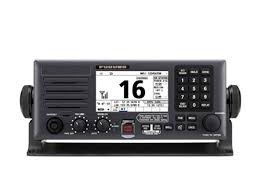
VHF Radio

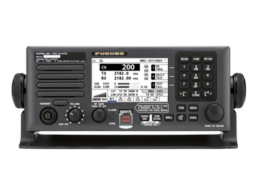
The FM-8900S is a reliable and user-friendly VHF radiotelephone designed for marine communication. It offers clear voice transmission, DSC (Digital Selective Calling) functionality, and a rugged design suitable for all vessel types. With its large LCD display and intuitive controls, the FM-8900S ensures safe and efficient ship-to-ship and ship-to-shore communication.

MF/HF Radio

MF/HF Radio (Medium Frequency/High Frequency Radio) is a marine communication system used for long-distance voice and data transmission. It operates in the 3–30 MHz range and is essential for ships to communicate beyond VHF range, especially during open-sea voyages. MF/HF radios also support DSC (Digital Selective Calling) for distress alerts and safety communication.

EPIRB

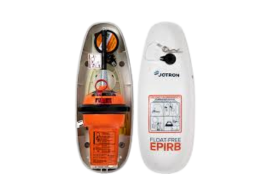
An EPIRB (Emergency Position Indicating Radio Beacon) is a vital maritime safety device that sends a distress signal with location data to satellites when activated. This signal is forwarded to rescue authorities, enabling quick search and rescue. EPIRBs can activate automatically in water and are essential for offshore vessel safety.

SART

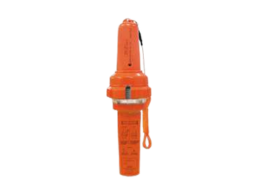
A SART (Search and Rescue Transponder) is a radar-based emergency device used to help rescuers locate lifeboats or distressed vessels. When activated, it responds to X-band radar signals by displaying dots or lines on a radar screen, guiding rescuers directly to its location. 

NAVTEX

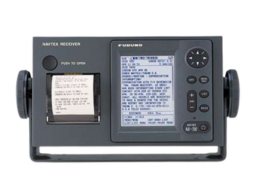
A NAVTEX Receiver is a maritime communication device that automatically receives navigational and meteorological warnings, forecasts, and urgent safety information. Operating on international frequencies, it provides crucial text-based updates to ships within coastal waters.

Inmarsat-C

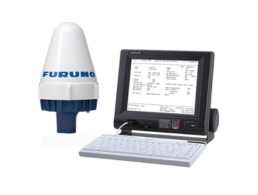
Inmarsat-C is a satellite communication system used in maritime navigation for sending and receiving text messages, distress alerts, and data. It ensures reliable, global coverage and is essential for safety at sea. Inmarsat-C also supports ship tracking, email, and weather updates.

AIS

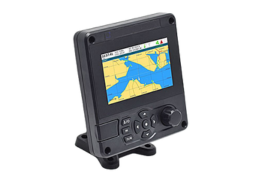
AIS (Automatic Identification System) is a marine tracking technology used to identify and monitor vessels in real-time. It transmits a ship’s identity, position, speed, and course to nearby vessels and coastal stations. AIS enhances navigation safety, collision avoidance, and maritime traffic management.

LRIT

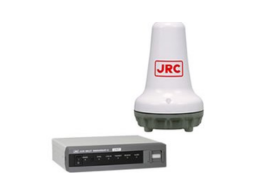
LRIT (Long Range Identification and Tracking) is a global ship tracking system that monitors a vessel’s position using satellite communication. It helps maritime authorities track ships beyond coastal areas for safety, security, and environmental protection. LRIT is mandatory as per IMO (International Maritime Orgnization).

SSAS

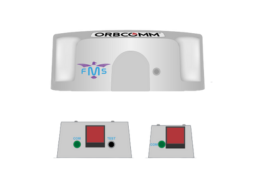
The FMT-SSAS-V1 Ship Security Alert System (SSAS) is IMO-compliant and supports the ISPS Code to enhance maritime security. It features the Orbcomm ST6100 terminal, two panic buttons, and a power pack, enabling global vessel tracking, improved safety, and efficient operations via the IsatData Pro satellite network.

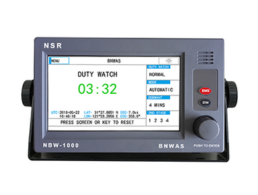
BNWAS

BNWAS (Bridge Navigational Watch Alarm System) is a safety system designed to monitor bridge activity and ensure the officer on watch remains alert. If no activity is detected, it triggers alerts to prevent accidents. BNWAS enhances vessel safety and is mandatory under IMO regulations.

NAVTEX

A NAVTEX Receiver is a maritime communication device that automatically receives navigational and meteorological warnings, forecasts, and urgent safety information. Operating on international frequencies, it provides crucial text-based updates to ships within coastal waters.

STARLINK

Starlink Internet Device delivers high-speed satellite internet with low latency, ideal for remote and maritime locations. Easy to install and weather-resistant, it ensures reliable connectivity anywhere in the world. Perfect for ships, offshore platforms access without traditional infrastructure.